Walk Your Block, Discover a World

Today we explore mindful neighborhood walks, turning routine routes into discovery labs where attention becomes a compass and curiosity becomes fuel. By slowing down, shifting focus, and experimenting with gentle prompts, familiar corners reveal stories, patterns, and possibilities. Join us in practicing simple methods for noticing, documenting, and connecting with people and places, so every stroll nourishes insight, creativity, well-being, and a renewed sense of belonging. Share your favorite find or prompt in a comment and subscribe for weekly walk experiments.

Start With Intention, Not Distance

A walk changes character when you choose presence over pace. Begin by noticing your breath, the contact of your feet, and the feel of air on skin. Leave headphones occasionally, set a playful question, and allow distractions to become invitations. Small rituals anchor attention, turning sidewalks into living studios where patience, wonder, and safety guide each step.

A Two-Minute Arrival

Before the first corner, pause and let your senses check in: three slow breaths, shoulders softening, eyes tracing one small texture nearby. Name five things you see, four you hear, three you feel. This tiny ceremony resets attention and makes ordinary details suddenly luminous.

Curiosity Prompts in Your Pocket

Carry a short list of playful prompts that steer attention without pressure: find three circles, trace a shadow to its source, notice a color that repeats. Rotate prompts daily. Curiosity acts like a magnet, drawing overlooked moments into view and sparking gentle delight.

Train Your Senses Like Field Instruments

Design Micro-Routes That Surprise You

Variety keeps curiosity awake. Create short loops with constraints, swap sides of the street, or reverse familiar sequences. Explore at unusual hours, or tie routes to tiny missions like counting mailboxes. Embracing gentle randomness prevents autopilot, feeding discovery while respecting time, energy, weather, accessibility, and safety. Once, reversing a route revealed a hidden mural behind recycling bins and led to meeting its painter, changing how the block felt.

Time Experiments at Dawn and Dusk

Walk the same block just before sunrise, then again after sunset. Compare colors, smells, sounds, and who appears. Streetlights reveal different textures; birds trade shifts with bats. Recording contrasts trains your mind to notice cycles and expands your sense of neighborhood rhythm.

The Ten-Door Challenge

Choose ten consecutive doors and document every detail: peepholes, doormats, hardware, scuffs, decorations, thresholds. Imagine the stories each entrance could tell, then verify by greeting whoever passes with respect. You will sharpen observation, build courage, and maybe meet a future ally or friend.

Detour Dice

Carry a small die or use a phone spinner. At certain corners, roll to decide left, right, or straight. Set boundaries for safety and time. Playful randomness breaks habits, reveals overlooked blocks, and gifts fresh angles on long-familiar views.

Nature Hiding in Plain Sight

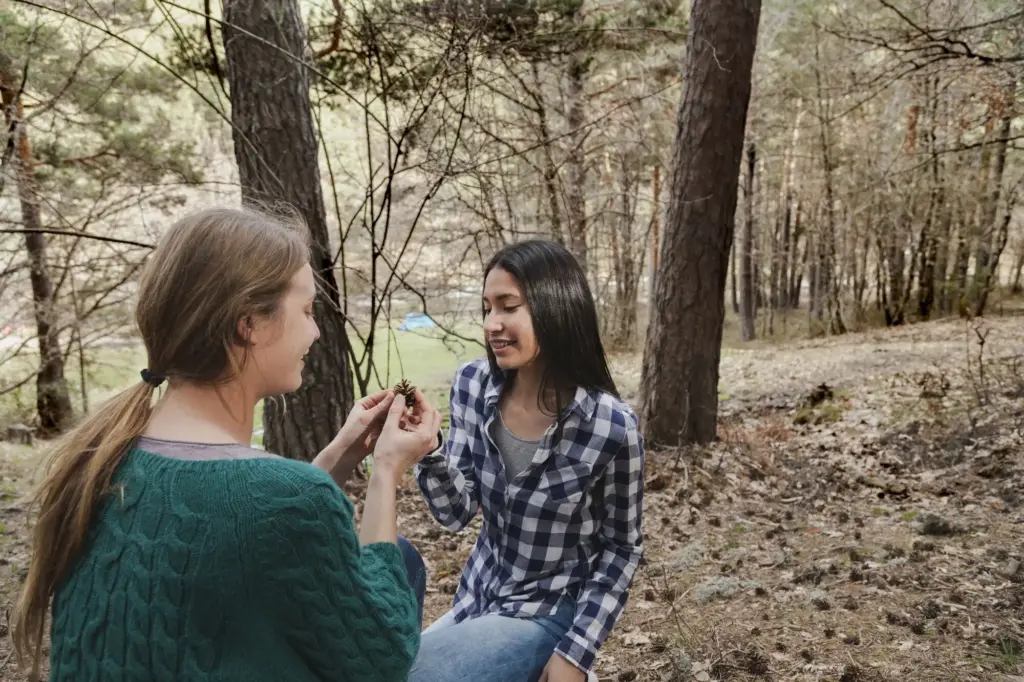
Even dense streets host lively ecologies. Learn names of street trees, seek pollinators on weeds in cracked pavement, track cloud types, and watch ants engineer traffic. Contributing observations to citizen-science apps turns your strolls into useful data, strengthening stewardship, awe, and everyday environmental literacy for all ages.

Street Tree Stories

Pick one tree and visit weekly. Photograph bark patterns, leaf buds, seed pods, and creatures using its shade. Look up its species and city care schedule. Watching through seasons builds patience, empathy, and a concrete bond with the larger living systems supporting your block.

Weeds With Superpowers

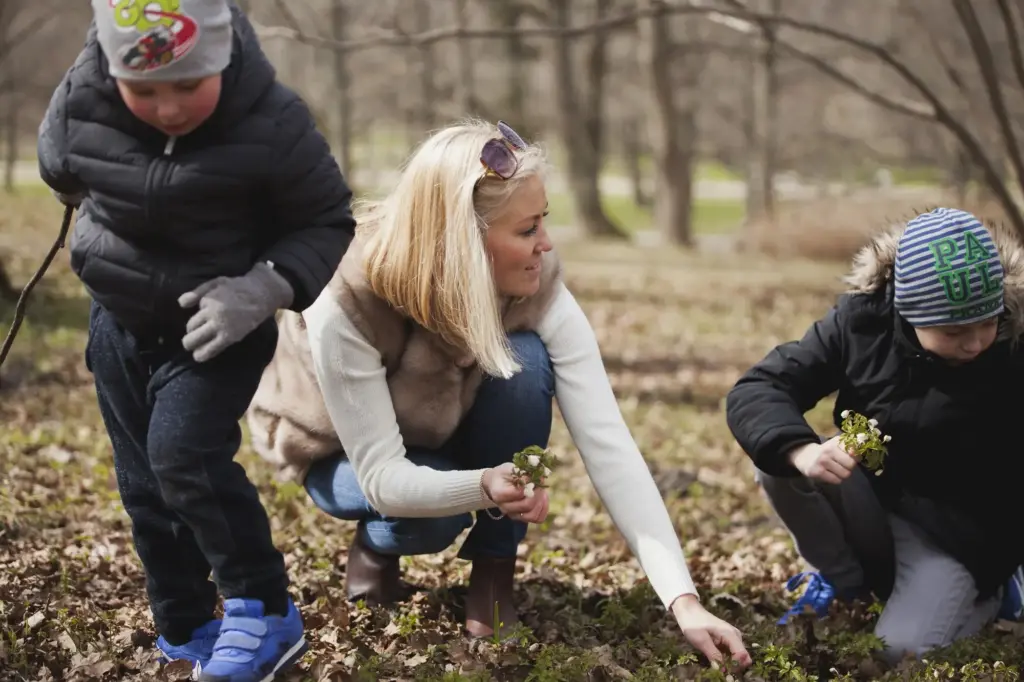
Kneel beside the so-called weeds, noticing miniature flowers, seed dispersal tricks, and pollinator visitors. Research edible or medicinal histories where legal and safe. Respect boundaries. Seeing resilience in sidewalk plants reframes toughness as ingenuity and nudges compassionate choices about how we share space.

Bird Minutes

Dedicate three minutes to birds only. Note calls, perches, flight paths, and interactions with humans and buildings. Log species with a field guide or app. Short, consistent sessions turn confusion into recognition and create a delightful rhythm inside any ordinary errand.

People, Places, and Living Memory

Familiar blocks hold layered histories. Greet shopkeepers, read plaques, notice handmade signs, and ask elders about vanished bakeries or beloved trees. Approach with warmth and consent, then share back your notes or photos. Relationships formed while wandering transform sidewalks into shared archives and resilient support networks.

Document What You Notice

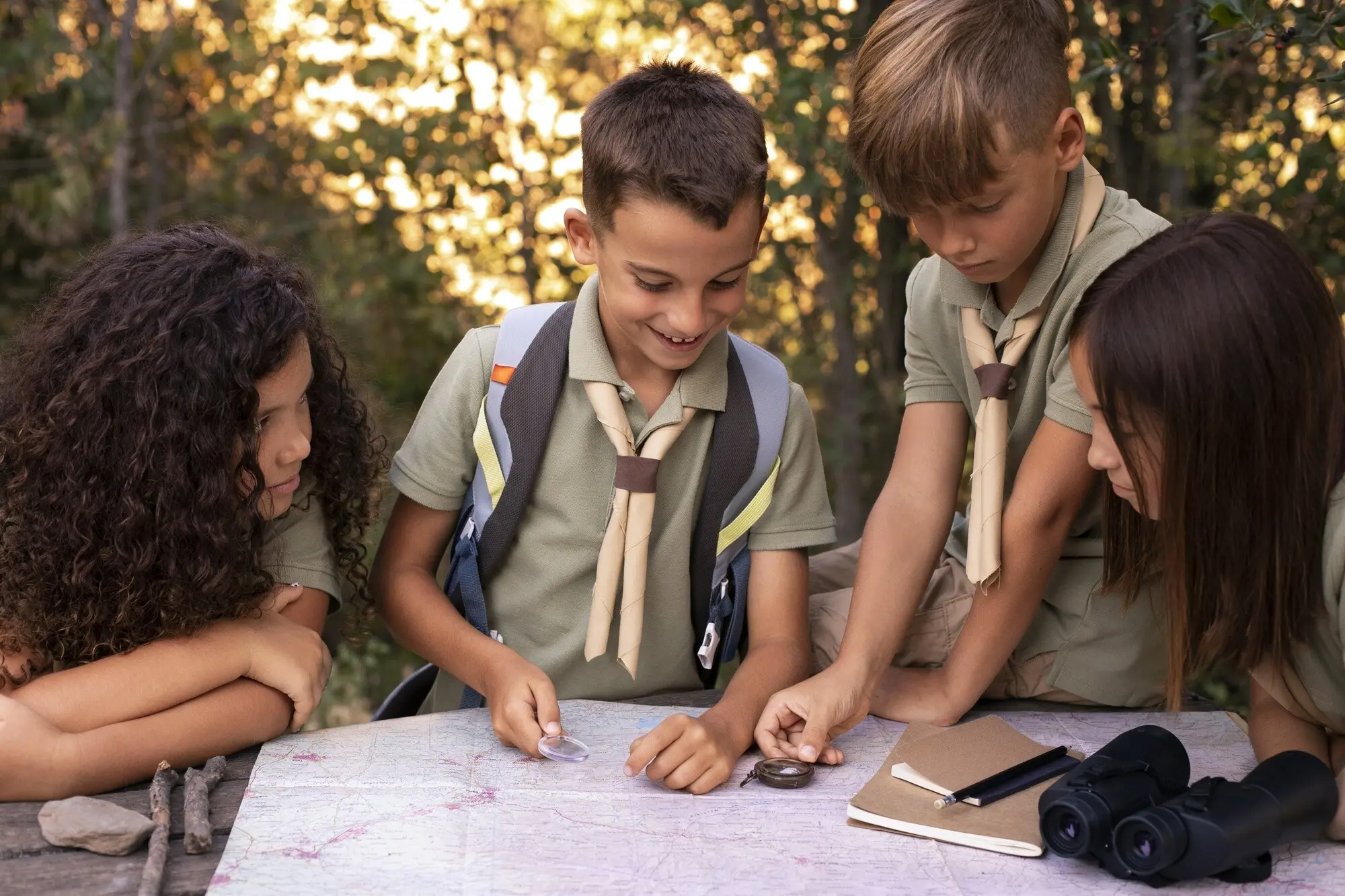
Lightweight documentation multiplies meaning. Use tiny notebooks, voice memos, or a camera to capture signs, textures, quotes, and feelings. Date entries, mark weather, and geotag respectfully. Over time, patterns surface—colors, routes, seasons—turning private curiosity into a generous archive you can share or revisit when inspiration dips.

From Walks to Well-Being and Action

Attention is nourishment. Regular mindful strolls lower stress, improve sleep, and boost creativity through gentle movement and novelty. Let discoveries inspire micro-actions: pick litter, report a broken light, thank a gardener, share a resource map. Small contributions ripple outward, strengthening safety, belonging, and everyday civic joy.