Little Adventures, Big Courage
Today we dive into family-friendly mini quests that build kids’ resilience, turning ordinary moments into playful missions where courage grows quietly. Expect simple, science-informed ideas, real parent stories, and step-by-step prompts you can try tonight, even with tight schedules, limited space, and big feelings that need gentle structure. Share your family’s first mini quest in the comments, and subscribe for weekly mission cards, printable checklists, and gentle encouragement that fits real routines.
Starting Small: Designing Five-Minute Challenges
Resilience grows when children face tiny, doable stretches, then rest and reflect. Design five-minute challenges that mix choice, novelty, and a pinch of pressure, while staying emotionally safe. We will explore scaffolding, clear cues, and rewards that emphasize effort, strategies, and teamwork over perfect results.
Playful Failure and Recovery
Children learn sturdiness by stumbling safely, then trying again with support. Play invites laughter, which lowers cortisol and opens learning. Build rituals that honor mistakes, model repair, and turn setbacks into puzzles. Over time, recovery scripts become familiar pathways back to confidence.
The Oops Ritual
Create a lighthearted sequence – say ‘oops’, shake out fingers, grin together, and name one tweak to try. This normalizes imperfection, reduces shame spirals, and teaches cognitive flexibility, while offering a dependable bridge from frustration toward curiosity, humor, and renewed problem-solving energy.
Reset Button Breath
Teach a playful reset: press an imaginary belly button, inhale slowly, hold, exhale longer, then whisper a power word. Linking movement, breath, and language gives children a portable regulator they can use at home, school, playground, or anxious bedtime transitions.
Emotion Skills Inside Every Quest
Resilience is emotional literacy in action. We weave naming, noticing, and negotiating feelings into playful missions so kids practice under low stakes. When bodies feel safe, brains can plan, flex, and learn. These skills generalize to classrooms, friendships, and hard family moments.
Weather Whisperers
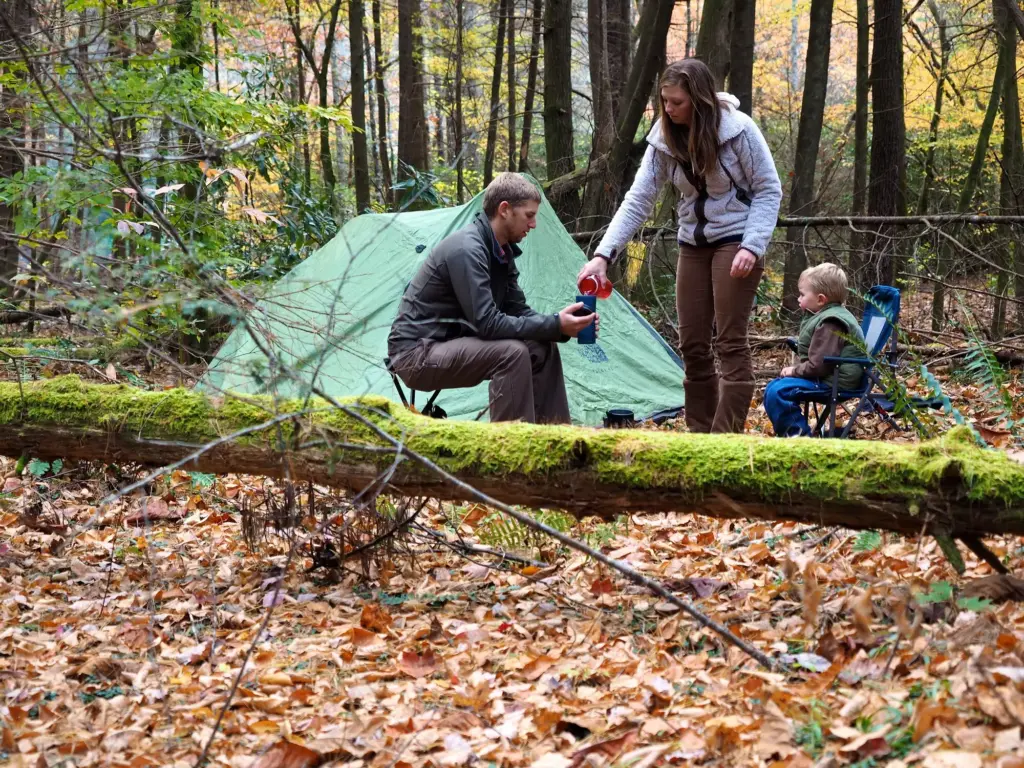
Let kids check forecasts, choose layers, and pack a tiny kit with a scarf, bandages, and a pencil. Predicting and preparing transforms drizzle or heat from enemy into solvable puzzle, building foresight, self-efficacy, and playful acceptance of discomfort within sensible limits.
Trail Clues and Micro-Goals
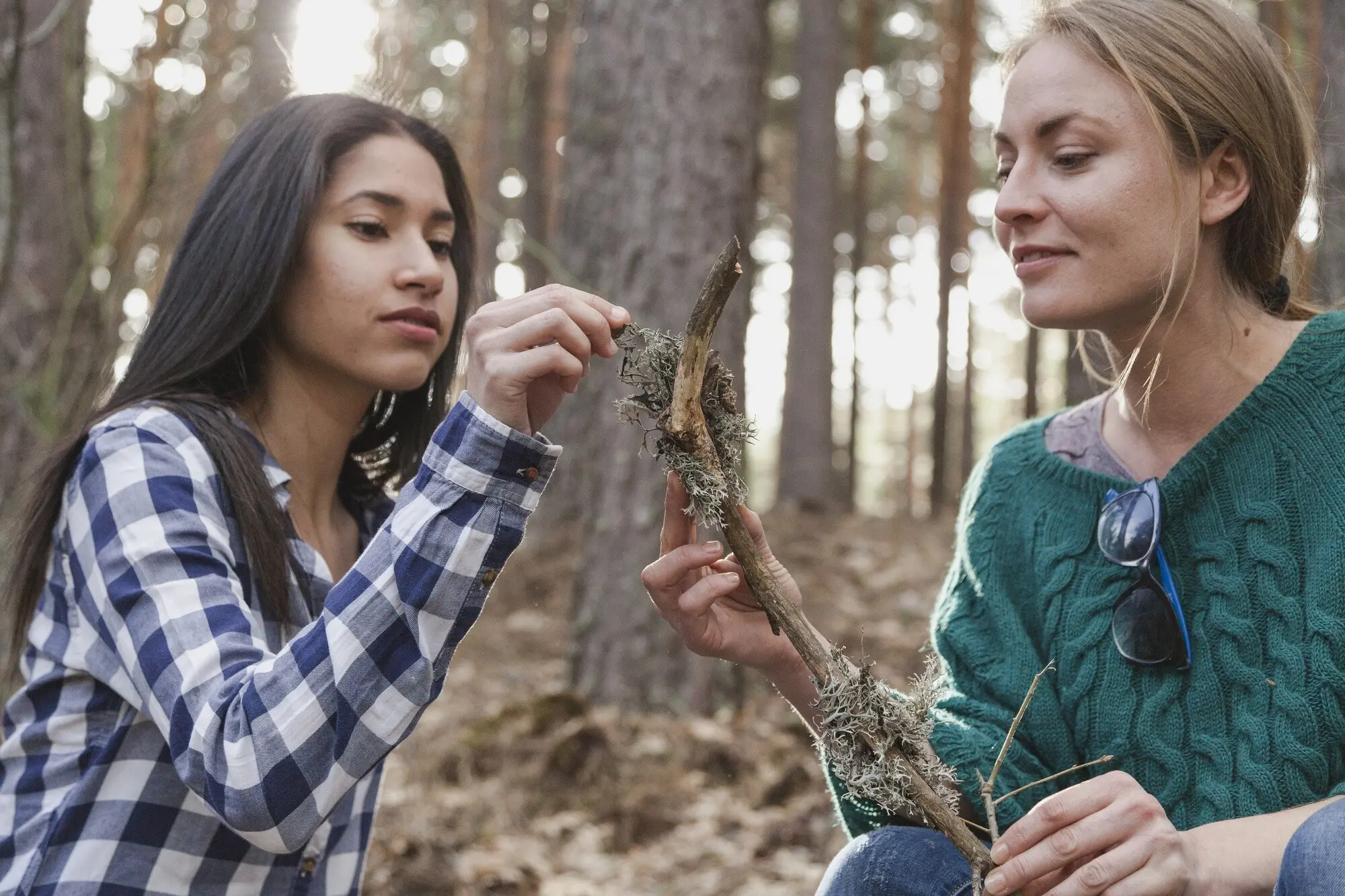
Mark the path with color hunts, leaf rubbings, and counting steps between stones. Micro-goals shrink distance, teach pacing, and deliver frequent successes. When fatigue appears, celebrate progress, sip water, adjust the plan, and let kids suggest the next playful checkpoint.
Co-Op Missions for Siblings and Friends
Collaborative challenges grow empathy, conflict skills, and shared laughter. When kids coordinate roles, negotiate timing, and swap strategies, they learn to handle friction without giving up. Design missions where success requires listening, flexible plans, and generous credit so every participant feels essential and valued.
Roles Rotate, Voices Heard
Assign rotating roles – navigator, supplier, timekeeper – then switch mid-quest. Invite quiet kids first and summarize heavy talkers kindly. Balanced airtime prevents dominance, builds confidence, and shows leadership can look many ways, from gentle observation to decisive action, all important in tricky moments.
Fair Friction Framework
Teach a simple script for disagreements: pause, paraphrase the other idea, propose two options, pick one experiment, and review in five minutes. This keeps momentum, preserves relationships, and models respectful compromise that children can export to playground debates and group projects.
Celebrations That Teach
End with a shout-out circle, naming specific strategies each person used. Tie joy to effort, creativity, and kindness. Small ceremonies encode memories, fuel future attempts, and remind kids that courage grows faster when shared generously across a caring, playful crew.
Reflect, Record, Repeat
Reflection transforms activity into learning. Simple rituals – journals, voice notes, or photos with captions – help kids notice progress and patterns. When families revisit earlier efforts, they see stretch zones widening, setbacks shrinking, and a sturdy story of capability replacing fear or perfectionism.